Best Building Materials 2026: Top Trends for Durability
Walk through a new build or renovation right now and you’ll hear the same language come up again and again. Warm. Natural. Timeless. But look past the pretty finishes, and you’ll see a massive shift.
It’s less about “the look” and more about what the bones of a house are actually made of. Rising energy codes, climate-related builiding pressure, and just being plain sick of materials that fall apart are reshaping how architects and builders think about construction.
In 2026, materials are being judged less by how new they feel and more by how they perform over time. The result is a more deliberate approach to building focused on longevity rather than novelty.
RELATED: Storage Solutions to Start the New Year With More Space
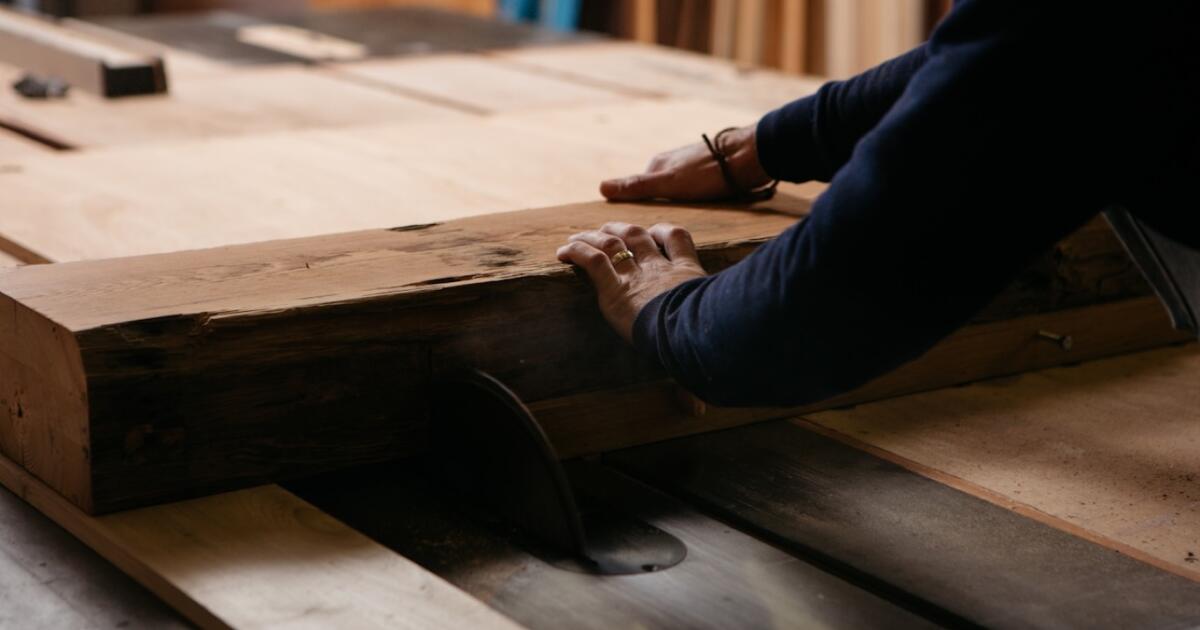
Engineered wood is replacing concrete in more places than you think
Cross-laminated timber, and mass timber in general, used to be more experimental. Not anymore. Now they’re showing up in single-family homes, mixed-use buildings, and institutional projects, thanks to faster build times and a lower carbon footprint than traditional concrete and steel.
Because engineered wood panels are precision-manufactured off-site, they allow for tighter tolerances and quicker assembly. For homeowners, that can mean fewer construction delays and more consistent results. Especially appealing in high-cost markets where time overruns are expensive.
In many of these projects, the structure itself becomes the finish. Engineered timber ceilings and exposed structural elements are increasingly left visible, adding warmth without extra layers of drywall or decoration. The result is architecture that feels grounded and honest rather than overly styled.
At the same time, builders are getting more selective about where real wood makes sense. In areas prone to moisture, insects, or heavy wear, materials like rice husk boards, pressed from agricultural waste, offer a wood-like look while resisting decay and cutting VOCs inside the home.
RELATED: Food-Safe Furniture Finishes: A Parent’s Guide to Non-Toxic Wood Care
Concrete isn’t going anywhere — it’s evolving
Concrete remains foundational. But the version being specified in 2026 looks different from what dominated the last decade.
Low-carbon mixes that lock CO₂ into the material, recycled aggregates, and emerging self-healing technologies are increasingly used in foundations, slabs, driveways, and structural walls as cities tighten emissions standards.
For homeowners, the appeal is practical. Foundations that crack less, garage slabs that hold up longer, and exterior hardscaping that doesn’t need constant patching all reduce long-term maintenance. It reflects a wider shift toward home improvement choices that prioritize durability over short-term savings.
RELATED:Your Rental Can Look Luxe With These Temporary Decor Upgrades
High-performance glass is now a baseline expectation
Windows are no longer passive design elements. In 2026, glass is expected to do real work.
Low-E coatings, triple-pane construction, and advanced gas fills are becoming standard in exterior windows, sliding doors, skylights, and large glass walls, driven by stricter energy codes and a push for better thermal performance. The benefits go beyond lower energy bills. Homes stay quieter, temperatures more stable, and interiors brighter without the heat loss that once came with large expanses of glass.
This shift is also changing how homes are designed, especially in climates where patios and backyards function as true extensions of the home, pool surrounds, outdoor kitchens, and wet areas.
Pool builders, as said in a recent press release, are increasingly specifying tempered glass tile systems designed to handle sun exposure, chemicals, and wide temperature swings. A subtle shift away from finishes chosen mainly for appearance, and toward materials expected to last.
RELATED: Why White Walls May Be Doing the Opposite of What You Want
Natural stone is back, but in a quieter way
Travertine, limestone, and soapstone aren’t new materials. What’s changed is how they’re being used.
Instead of statement slabs meant to impress, designers are specifying stone for floors, stair treads, fireplace surrounds, bathroom walls, and exterior cladding. Places where wear adds character rather than signaling damage.
It’s about longevity and a bit of restraint. These materials don’t really care about trends. They don’t need a makeover every five years just to stay relevant.
RELATED:The Building Technique That Saves Energy, Cuts Costs, and Endures
Magnesium oxide board is quietly disrupting drywall
Magnesium oxide (or MgO) board doesn’t usually get much attention… which is exactly why builders like it.
Compared with traditional gypsum drywall, MgO board is more fire-resistant, mold-resistant, and durable, making it increasingly common in multifamily buildings, basements, bathrooms, garages, and utility spaces.
It’s also gaining traction in wellness-focused homes where moisture control and air quality are top priorities.
What this means if you’re building or renovating
You don’t need to redesign your home to take advantage of these shifts. But if you’re planning a renovation or new build, asking smarter material questions early can make a meaningful difference.
Ask your architect or contractor:
- Which materials reduce maintenance over time?
- Where does performance matter more than appearance?
- Which upgrades improve insulation, durability, or safety without changing the look of the home?
In 2026, the most forward-thinking homes will reveal themselves through steady temperatures, quieter rooms, and materials that hold up over time.
link