Circularity In Construction – Holcim – Miljan Gutovic

Population growth and rapid urbanization mean the world is expected to build a city the size of Madrid every week until at least 2050 to house more than two billion additional people. That is roughly 10 billion square meters of floorspace every year. While this demand is welcome for the building solutions industry, it also requires a shift in perspective to see today’s waste as tomorrow’s valuable resource.
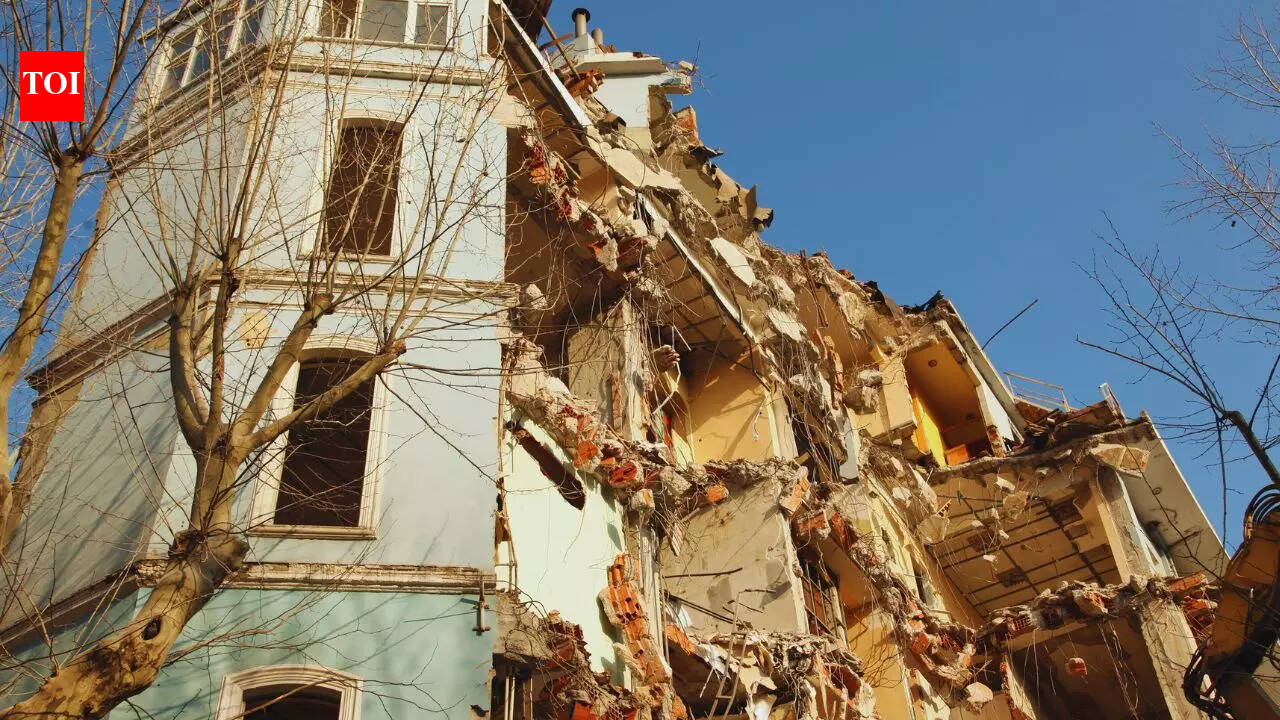
At least 25% of the estimated 2.24 billion tonnes of solid waste produced worldwide each year is composed of construction and demolition materials, with a third of this being concrete. This contains valuable resources, much of which ends up in landfill. The construction industry has a central role to play in building cities sustainably – with solutions that reduce, recycle, and reuse materials. The recycling of construction and demolition materials can reduce the industry’s environmental impact and preserve primary materials, while also guaranteeing its long-term operational resilience and commercial viability.
Since concrete is infinitely recyclable, the “urban mining” of construction demolition materials is a significant aspect of circular construction. Another is the durability of concrete itself, which, if used correctly, can be designed to last. Others include smart design, which entails building better with less material, and modular construction, which enables disassembly and reassembly to simplify the recycling of concrete.
Holcim is driving circular construction as a strategic priority. The company’s strategy is comprehensive, focusing on closing material loops and maximizing resource efficiency throughout its value chain. We work with partners across the building value chain to source and process construction and demolition materials and specify circular building solutions in large-scale projects spanning infrastructure, industry, commercial, and residential sectors. Public authorities at national, regional, municipal, and city levels have a critical role to play, with landfill regulation often non-existent or insufficiently enforced, and with few requirements or weak incentives for demolished concrete and other materials to be recycled back into new building solutions. This leads to significant disparities across territories, with some EU countries only recycling around 10% of construction and demolition materials.
The building industry has traditionally relied heavily on primary materials such as sand, aggregates, limestone, and clay – the constituent components of cement and concrete. However, Holcim can manufacture concrete that is 100% recyclable with no compromise on performance. Demolishing buildings can create substantial volumes of concrete, as well as dried cement paste, that can be reused to make cement and concrete afresh.
link