New crocodile exhibit anchors Reptile House renovation as Toledo Zoo heads toward levy vote
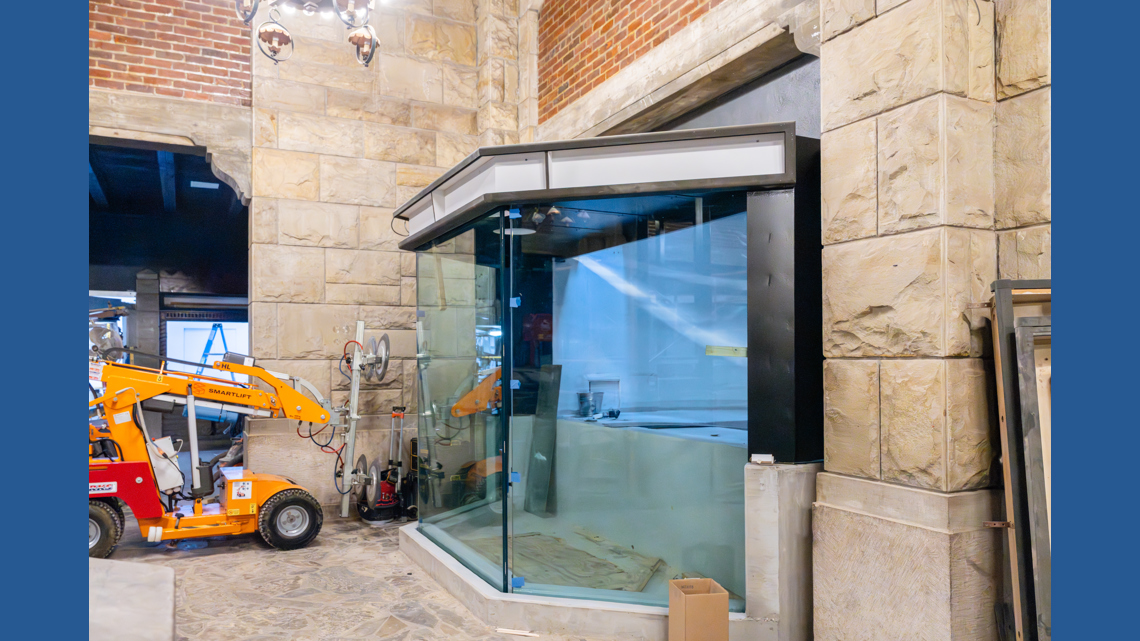
The Toledo Zoo’s Reptile House is undergoing a major renovation as leaders ask voters to consider a levy that would replace two existing taxes and lower costs.
TOLEDO, Ohio — The Reptile House at the Toledo Zoo is closed to visitors, but activity inside is picking up.
Built during the Great Depression, the nearly 90-year-old building is undergoing one of the most significant renovations in its history. Zoo leaders say the goal is to preserve the building’s historic character while modernizing how it functions for animals, staff, and guests.
The project is nearing completion, with reopening planned around Memorial Day weekend.

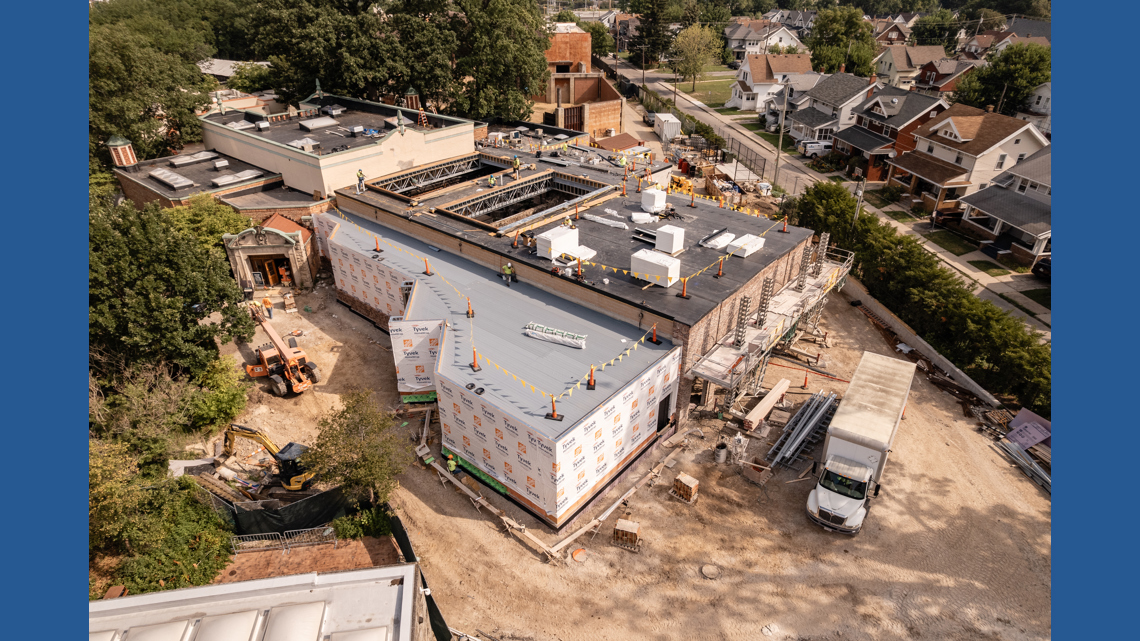
A new crocodile exhibit — designed around sunlight
At the center of the renovation is a brand-new crocodile exhibit — the largest and most complex part of the project.

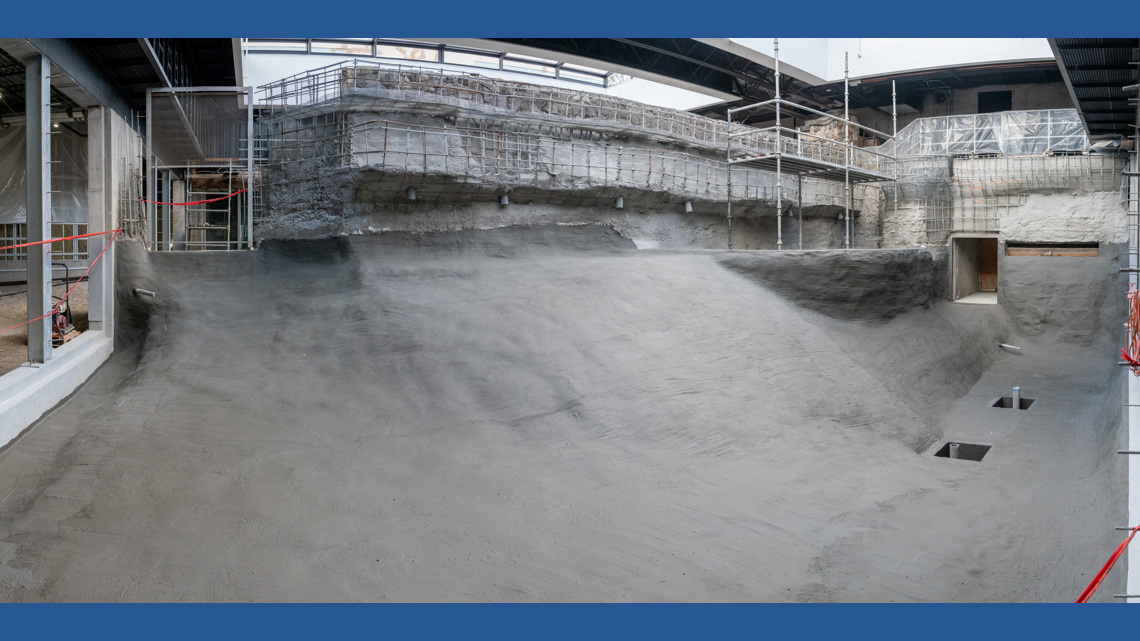
The exhibit is built directly beneath retractable skylights, a feature Zoo leaders say is critical to animal welfare. The skylights allow natural sunlight to reach the exhibit, something the original 1930s building was never designed to do.
“There are retractable skylights so he can actually get sunlight coming down on him from the outside,” said Jeff Sailer. “That will do wonders for him.”
The crocodile — nearly 18 feet long — is the Zoo’s largest resident. The redesigned space gives him more room to move, swim, and bask under natural light.
Underwater viewing changes the visitor experience
The new exhibit is also designed to change how visitors experience the animal.
Instead of only viewing the crocodile from above, guests will be able to see him underwater — offering a better sense of his size and movement.
“This will all be flooded,” Sailer said during a walkthrough of the space. “He’ll be able to swim directly into this exhibit.”
Zoo leaders say the combination of deeper water, underwater glass, and natural light is meant to improve both animal care and public understanding of how these animals live.
Preserving a Great Depression-era building
All of the upgrades are happening inside a building with deep local history.
The Reptile House is part of the largest collection of Works Progress Administration buildings on any zoo campus in the United States. The structures were built in the 1930s using recycled materials sourced from around Toledo.

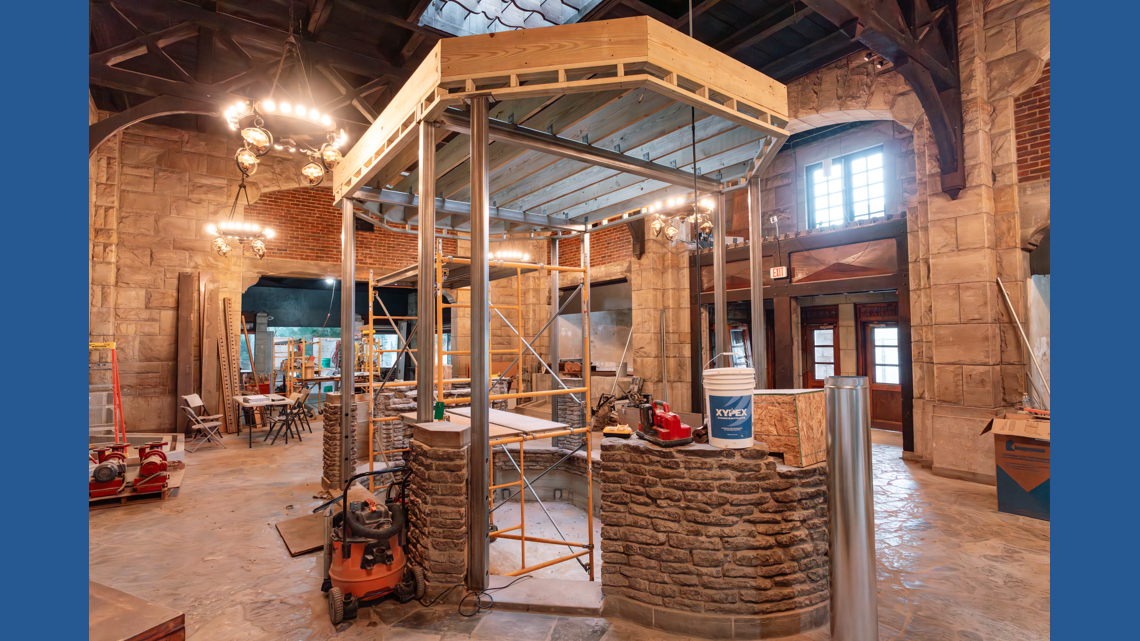
“These WPA-era buildings are built to last,” said Sailer. “They’re amazing testaments to the tradespeople Toledo has always had.”
Zoo leaders say preserving original features — including masonry, rockwork, and chandeliers — was a priority throughout the renovation.
The infrastructure visitors will never see
While many of the changes will be visible to the public, much of the work is hidden behind walls and ceilings.
The building lacked modern heating, cooling, electrical, and lighting systems. Adding those systems inside a historic structure required careful planning and additional cost.
“The masonry is incredible,” said Sailer. “What it was deficient in was modern HVAC, electrical, and lighting.”
Zoo officials say those upgrades are essential to keeping the building functional — and safe — for decades to come.
How the renovation connects to a levy vote
The renovation comes as the Zoo prepares to ask Lucas County voters to consider a levy issue on the May ballot.
On the ballot, the measure is described as an “additional levy,” but Zoo leaders say that wording does not tell the full story.
“On the ballot it will say the Toledo Zoo is asking for an additional levy — but we’re not,” said Sailer.
Effectively, the proposed levy would replace two existing Zoo levies which are set to expire, with a single levy that combines operating and capital funding.
Zoo officials say the change would reduce collections by about $25 million over the life of the levy.
Where the levy money goes
Zoo leaders say levy funds make up a relatively small portion of daily operations but play a key role in long-term planning.
According to the Zoo, levy dollars primarily support zookeepers, capital projects, and maintenance of large historic facilities. Most operating costs are covered through admissions, memberships, events, and other revenue.
“Almost every dime of this levy money goes back into this community,” said Sailer.
That includes wages for employees and payments to local contractors working on Zoo projects.
A regional draw with local impact
Zoo officials also point to the Zoo’s regional reach when explaining the levy request.
Only about 30 percent of Zoo visitors come from Lucas County. Many travel from Michigan, Indiana, and other states, bringing outside dollars into the local economy.
The Zoo also operates community programs that provide free or reduced-cost memberships to families who may not otherwise be able to afford them.

Looking ahead
Zoo leaders say the Reptile House renovation reflects a broader goal: preserving Toledo’s history while planning responsibly for the future.
“I’m hoping people walk away with pride for Toledo,” said Sailer.
The Reptile House is expected to reopen around Memorial Day weekend. Voters will decide on the levy issue in May.
link