Three interior design tips to help boost mental health


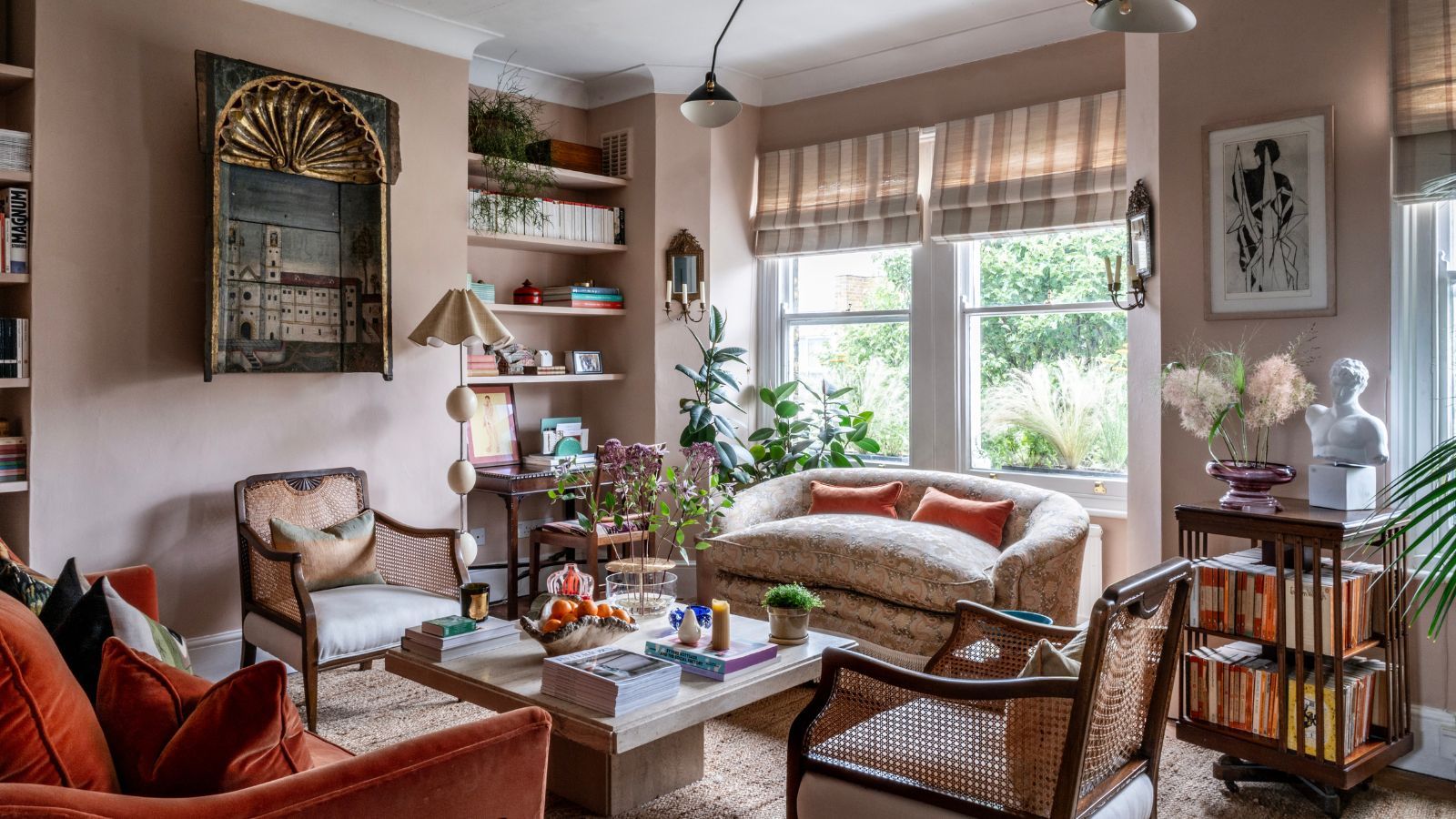
You’ve had a long day. The emails piled up, traffic was relentless, and your shoulders are heavy with stress. But then you walk through your front door. The soft glow of sunlight reflects off a warm wood table. A bold piece of art you love catches your eye, and a cozy chair with patterned throw pillows invites you to sink in. Almost instantly, you feel lighter. That’s the power of a home intentionally designed to support your mental well-being.
At Three French Hens in Wildwood, expert designer Rae Sutton believes a thoughtfully designed home can do more than look beautiful—it can restore balance, spark joy, and create a sense of calm in your everyday life.
In fact, Sutton has named “dopamine design” as one of her favorite trends and tries to infuse this idea of how design can affect mental health into every project. And yes, there is plenty of science to back her up.
How does she do it? From making the right color choice to being intentional about décor, here are Sutton’s tips to create a home that can help improve mental health.
1.) Discover what color means to you.
Colors carry emotional weight, and choosing the right ones can dramatically change how you feel in your space:
- Warm tones energize. Oranges and reds stimulate activity and are perfect for kitchens or living rooms.
- Cool tones calm. Blues and greens invite peace, making them ideal for bedrooms and offices.
- Grounding tones balance. Whites and browns create stability in meditation rooms or workspaces.
But Sutton emphasizes that color is deeply personal. “I challenge you to think about what colors are truly you versus what may be trending,” she says. “Your home should reflect you and all of your quirks and nuances. If you are a fun person—let’s showcase that!”

2.) Incorporate nature’s elements.
Texture and variety are just as powerful as color when it comes to boosting your mood. Sutton encourages layering natural and tactile elements: stone, ceramics, warm woods, reflective metals, lush textiles, even faux florals. This balance creates harmony and engages all of the senses.

- Play with bold patterns and saturated colors. They can spark creativity and make daily activities more enjoyable.
- Enhance natural light. Sunlight naturally lifts mood; maximize it with reflective surfaces, glass, or metallic accents in smaller spaces.
- Bring the outdoors in. Whites, browns, plants, and natural textures can make a space feel more grounded.
“We always think about functionality. How are you using your space, and how can we best utilize what natural elements your home has?” Sutton says. “We can then use design to enhance them to create a space that serves you and your family.”

3.) Don’t clutter your décor—make it impactful.
A cluttered space can weigh you down, while intentional design creates calm and clarity. Sutton suggests:

- Limit family photos. Instead of covering every surface, choose your three favorites per room to highlight what matters most.
- Ditch “fast décor.” Skip endless cheap knick-knacks, and invest in a few high-quality statement pieces that elevate your space.
- Invest in art. Viewing art has been clinically proven to lift mood. Good art can even invoke a feeling similar to falling in love.
But Sutton’s biggest tip of all? Showcase your personality—because at the end of the day, it’s about how your home makes you feel.
“I always try to play on [clients’] personality in a way that is larger than life and push the envelope further than what the client is originally comfortable with,” she says. “People tend to stay more conservative when it comes to big investments, which doesn’t serve them in the long run.
“In 2025, don’t want to waste time and money on something that doesn’t benefit you,” adds Sutton,” or, at the very least, makes you smile.”
This post was created by SLM Partner Studio on behalf of Three French Hens. To see Sutton’s tips in action, visit Three French Hens’ store (16935 Manchester, Wildwood) and threefrenchhenswildwood.com.
link