Welcome Home! Let’s Talk About Fall Home Maintenance and Best Practices
Welcome Home! Let’s Talk About Fall Home Maintenance and Best Practices to Keep Your Home in Tip-Top Shape
As the days grow shorter and the temperatures start to drop, it’s a clear sign that fall is upon us. While many people love this season for its crisp air, colorful leaves, and cozy vibes, it’s also the perfect time to prepare your home for the harsher winter months ahead. By taking care of essential fall maintenance tasks now, you can avoid costly repairs and ensure your home ‘weathers’ the colder season. Here are some key areas to focus on as part of your fall home maintenance routine.
1. Inspect and Clean Gutters
One of the most important tasks to tackle during fall is cleaning out the gutters. Fallen leaves, twigs, and debris can clog gutters and downspouts, preventing water from flowing away from your house properly. Clogged gutters can lead to water damage, roof leaks, and even foundation issues if left unchecked.
Best Practice: After most of the leaves have fallen, clean your gutters thoroughly removing all debris. Use a hose to flush out any remaining dirt, and make sure water is flowing freely through the downspouts. While you’re safely up there, inspect the gutters for damage or sagging and make any necessary repairs. There are many great gutter servicers in Fairfield County, so if you’re pressed for time or just don’t like heights (me!), get on a regular gutter maintenance program with a qualified professional.
2. Check for Roof Damage
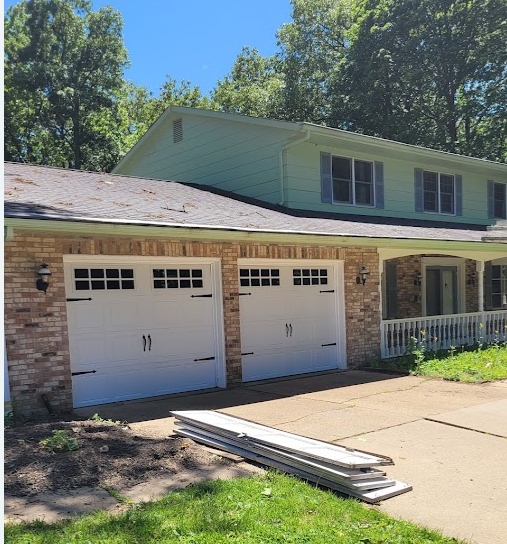
Before the winter snow arrives, it’s a good idea to inspect the roof for any damage or wear. Missing, damaged, or loose shingles can lead to leaks, water damage, and a host of other problems when snow and ice build up.
Best Practice: Take a walk around the house and visually inspect the roof from the ground. Look for signs of damage like cracked, curled, or missing shingles. If you notice any issues, consider hiring a professional to conduct a more thorough inspection and make repairs before winter.
3. Seal Windows and Doors
Drafts around windows and doors can make your home less energy-efficient, leading to higher heating bills and a less comfortable indoor environment. Fall is the perfect time to check for drafts and seal any gaps or cracks.
Best Practice: Start by inspecting the weatherstripping around doors and windows. If it’s worn or damaged, replace it with new weatherstripping. You can also use caulk to seal
any cracks or gaps around window frames. For a quick check, hold a candle near the edges of windows and doors on a windy day; if the flame flickers, you likely have a draft that needs sealing. You can also contact Eversource to conduct an Energy Audit to improve the energy efficiency of your home.
4. Service Your HVAC System
As temperatures drop, you’ll rely more on your heating system, and it’s essential to ensure it’s in good working order. Regular maintenance of your HVAC system can help it run more efficiently, extend its lifespan, and prevent costly breakdowns. No one wants to get caught without heat at the first snowfall!
Best Practice: Schedule a professional HVAC inspection in the fall to ensure your furnace or heat pump is working correctly. The technician will clean the system, check for any potential issues, and replace the air filter. It’s also a good idea to test your thermostat to make sure it’s functioning properly and set at an energy-efficient temperature.
As winter approaches, freezing temperatures can cause outdoor pipes to burst, leading to expensive water damage. To prevent this, it’s essential to prepare your outdoor faucets and sprinkler systems for the cold weather.
Best Practice: Start by draining and disconnecting any hoses from outdoor faucets. Install faucet covers to insulate and protect them from freezing. If you have an in-ground sprinkler system, make sure to have it professionally winterized to prevent any potential damage to the pipes.
6. Trim Trees and Bushes
Overgrown branches can become hazardous during fall and winter, especially during heavy snowfall or strong winds. Dead branches or limbs hanging over your roof or driveway could break off and cause serious damage to your home or vehicle, not to mention powerlines and those unavoidable power outages!
Best Practice: Inspect the trees and bushes around your home and trim back any branches. Wrap delicate shrubs and trees in burlap for protection from the elements and dead head any flowering plants for overwintering. If you have large trees that are overhanging your roof, siding or windows, hire a professional arborist to handle the trimming as they’ll have the tools and expertise to safely remove any potential hazards.
7. Test Smoke and Carbon Monoxide Detectors
With the increased use of heaters, fireplaces, and holiday cooking, the risk of fires or carbon monoxide leaks can be higher in fall and winter. It’s crucial to ensure that your smoke and carbon monoxide detectors are functioning properly.
Best Practice: Replace the batteries in all your detectors and test them to make sure they’re working. If your detectors are over 10 years old, it’s a good idea to replace them with new ones. For added safety, consider installing detectors that are hardwired into your home’s electrical system and have a battery backup.
8. Clean and Inspect Your Fireplace and Chimney
This is a crucial, often-overlooked, safety item! Cozy, wood-burning fires are wonderful at this time of year but using them during the colder months can cause creosote buildup in the chimney. If not properly cleaned, this can easily become fire hazard.
Best Practice: Have your chimney inspected and cleaned by a professional at least once a year. This ensures that there’s no creosote buildup, blockages, or structural damage that can cause problems. If you have a gas fireplace, check the pilot light and ensure the unit is in good working order.
Fall home maintenance may not always be the most exciting task, but it’s one of the best ways to protect your home and save yourself from costly repairs down the road. By taking care of these essential tasks before winter sets in, you can ensure your home remains warm, safe, and energy-efficient all season long. So grab your checklist, roll up your sleeves, and get your home ready for whatever Mother Nature has in store this winter. If you need professional recommendations, I’m always here as your friendly neighborhood resource, so don’t hesitate to reach out and Let’s Chat! Welcome Home!
H
Submitted by Heather Neumann Salaga
link