Why custom furniture matters in interior design

-
Customization enhances personalization, allowing clients to express their identity and lifestyle through bespoke furniture pieces.
-
Functional luxury and sustainability were emphasized, with custom items offering long-term quality and reduced waste compared to mass-produced options.
-
Strong designer-client collaboration and clear communication are essential, as custom work requires trust and shared vision.
-
Customization elevates the designer’s brand, helping establish a point of view while making projects harder for clients to replicate or source online.
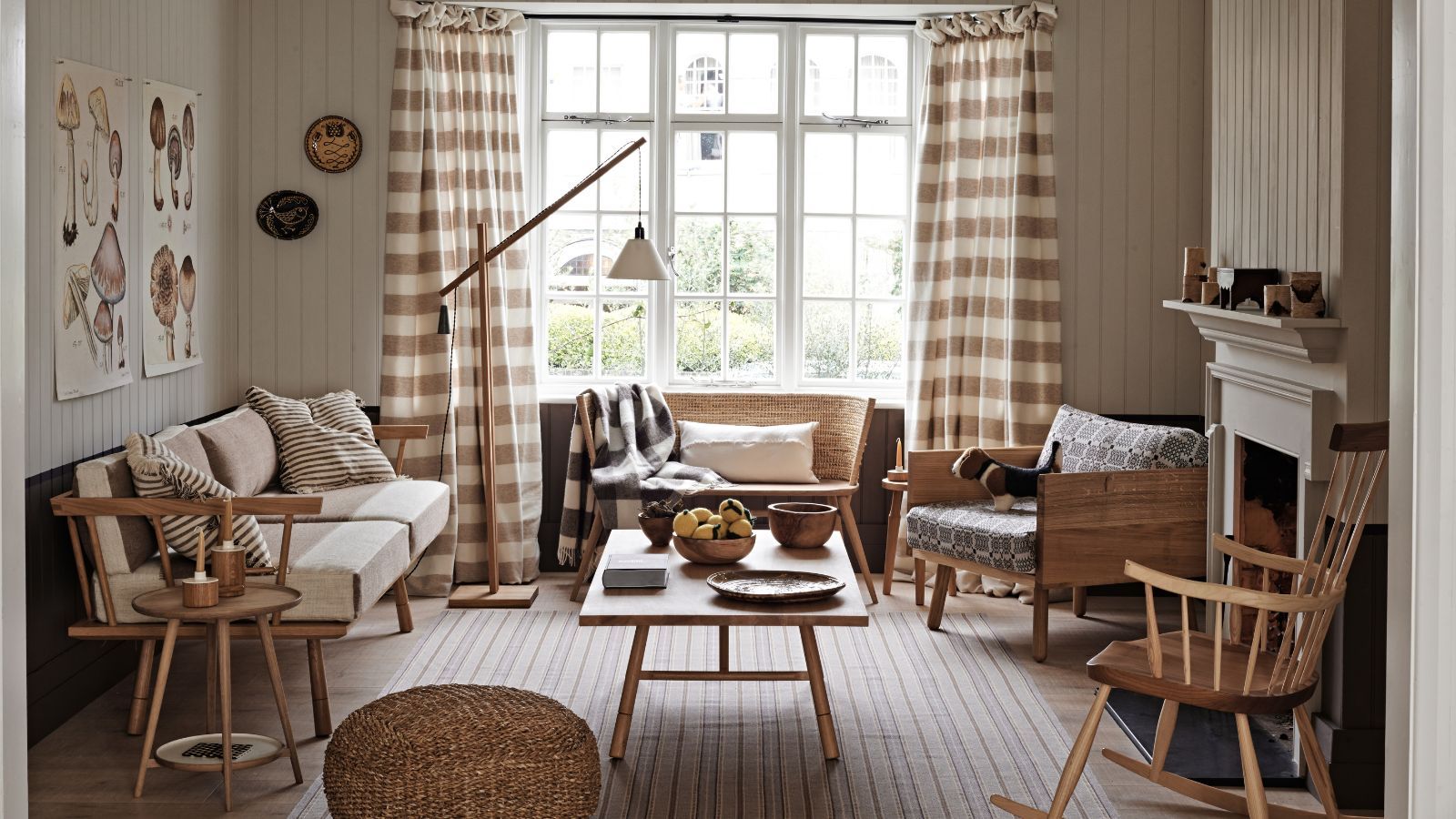
Personalization is often at the heart of making a house a home and interior designers see customized furniture as one of the keys to helping clients achieve their personal vision.
During a panel in the Eilersen showroom at High Point Market, moderator Andrea Lillo, the editor of Designers Today, led the discussion on the value of customization in furniture.
Customization runs the gamut from changing the fabric or adding a contrasting welt to creating an entirely unique upholstered or case goods piece, explained Lorna Gross, president of Lorna Gross Interior Design in the Washington, D.C., area.
“Functional luxury” is how Nicole Roe, founder and lead designer at R. Nickson Interiors, Lakeland, Fla., likes to describe custom furniture. “People want their image in their home,” she said, noting a custom piece reflects an individual’s own brand.
As the representative of the fourth generation of a Danish furniture company, Anders Eilersen, co-owner of Eilersen, said customization means “it’s made for you; you decide what it means to you.” And that goes beyond color and fabric for a sofa, he said, to size and depth and all the other factors that make it personal for the buyer.
Determining which pieces in a design project are customized involves a lot of back and forth between the designer and the customer. “We love finding out what their lifestyle is now and where it’s going to be,” said Roe.
“If I could, I’d do custom everything,” said Gross, but she acknowledged that “it comes down to the budget.” Still, she said, within a project she would like three to four items “that are difficult to duplicate.”
Gross recalled a project she did in Georgetown where she recreated a look inspired by a train car from the Orient Express, with lots of Art Deco pieces from the 1920s and a Murphy bed built into a bookcase in an office. For Roe, some of her custom pieces revolve around four-legged family members, such as dog beds and ramps.
Vendors play an important role and can aid designers in streamlining the process. “Get to know the manufacturer so you understand what they can give you,” said Gross.
By researching and then communicating all the options and possibilities, said Eilersen, designers can help their customers make the right choices.
Custom pieces are the antithesis of fast fashion, said Roe, and while they may be more expensive at the outset, the quality makes them more sustainable in the long run.
Eilersen added that customers also have the option of buying a new cover for one of his sofas, which extends the life of a much-loved piece. “It’s always been about quality and craftsmanship,” he said of the company, which is celebrating its 130th anniversary this year.
Custom work isn’t just about what the client wants, noted Gross, but it also helps designers establish themselves within the design community. Clients, she said, “look to designers to help them understand the quality of a piece,” while also “allowing you to make your own point of view as a designer.”
And the more custom pieces offered, said Gross, the harder it is for clients to shop for that item on the internet.
Because a custom piece can’t be returned, Roe urged designers to provide as much information to clients as possible through images, online renderings and more. “There’s no going back,” she said, “so trust is huge. If there is good cooperation between the client and the designer, it will be successful. It’s all about the dream.
“If the budget isn’t there, but the expectations are, we change the scope of the project,” she added. “Then we can throw in more custom. Use your knowledge on how to do it right.”
“Customization is an emotional experience,” said Gross. “When it’s designed for them specifically, it makes their heart sing.”
See also:
Universal Furniture to unveil largest upholstery introduction in history
Gat Creek switches to new formaldehyde free topcoat
link