How home care, hospice benefit people, communities
Nov. 12, 2025
This piece is sponsored by Avera Health.
All the varied levels of health care help ensure that patients are in the best setting for their condition and recovery. In many cases, that setting is home, which is exactly where the majority of patients want to be.
Avera@Home is the enterprise at Avera that oversees three key areas of care, including home health, hospice and home medical equipment, through 28 locations across the Avera footprint.
“The average length of stay in a hospital has decreased from 21 days in the 1960s to around five today,” said Sandy Dieleman, CEO of Avera@Home. “Medical advancements, like minimally invasive surgery, and the transition of more services from inpatient to outpatient are key reasons behind that shift. Inpatient hospital care is the most expensive setting. Also, home health has benefits that help many patients make the best transition back to their life at home.”
Home health care brings an experienced and skilled team into the home setting, from registered nurses to home health aides and therapists, including physical, occupational and speech, depending on the patient’s needs.
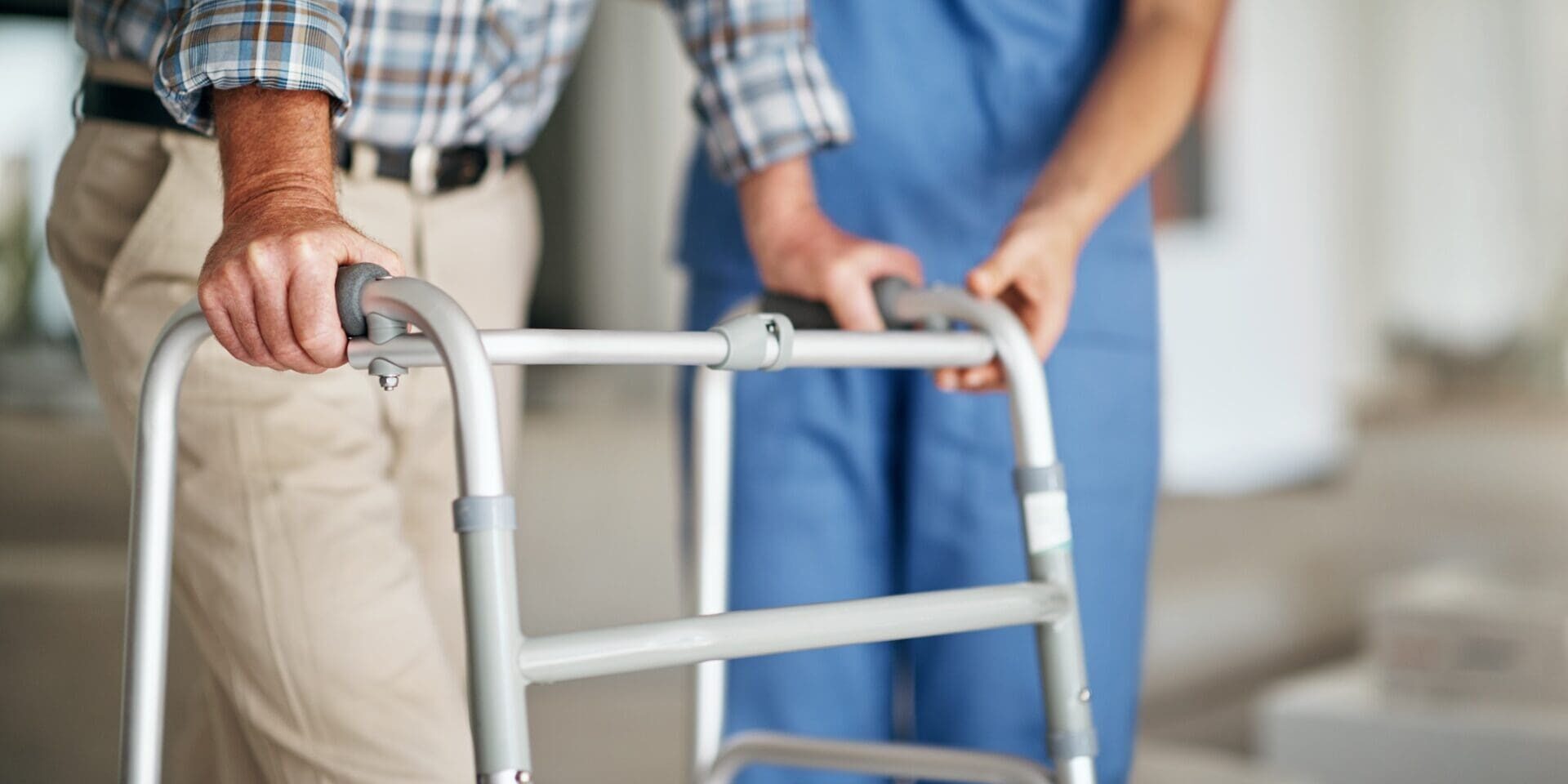
“These are the same level of caregivers who would be carrying out care plans in a rehab center,” Dieleman said — for example, helping a post-surgical patient improve their mobility.
Advantages of home care include:
- Less risk of hospitalization or readmissions: Home health staff can help patients recover well through aspects like better medication management, one-to-one education on self-care and early identification of any warning signs that could lead to serious complications.
- Greater independence in doing daily routines and “getting back into life” as patients are able.
- Improved quality of life, close to family, pets, hobbies and just the patient’s own bed or a familiar recliner.
- Reduced stress and anxiety.
- Maximizing safety at home by identifying activity limitations and fall risks.
Expansion of home care to serve communities
When Avera@Home launched in 2013, centralization provided efficiency for operations like billing and finances. At the same time, care teams stayed local with staff, including nurses, aides and therapists, who knew the community.
Over the past decade, Avera@Home has expanded to serve more than 75 counties.
“Our goal is to ensure that home health, hospice and home medical equipment services are available to as many patients and families in our region as possible,” Dieleman said.
Expanding Avera@Home to a community starts with understanding the community, evaluating need and whether there are existing services and gaining a sense for community support.
“For patients, staying in their home – where they most wanted to be – became a viable option. The growth of Avera@Home not only provided more options in our state, it created more capacity within nursing homes and other post-acute facilities for those patients who needed them most,” Dieleman added.
Value of hospice care
Hospice care in the home is similar but distinct. It involves care at the end of life for patients who no longer want to pursue treatment to try to achieve remission or improve a condition, whether that’s cancer, end-stage kidney failure, heart failure, advanced respiratory disease or a neurological condition like ALS.
“Hospice care can be delivered wherever the patient calls home, whether it’s their house, apartment, assisted living center or long-term care center,” Dieleman said. For patients who need a higher level of care outside of their home, the Dougherty Hospice House in Sioux Falls provides 24/7 residential care in a homelike environment. Families also can receive support to find temporary or long-term care at facilities in their local communities.
Rather than facing the end-of-life journey on their own, patients and families benefit from:
- Expert care in a comforting setting.
- Assistance in treating symptoms for patient comfort, including pain or nausea.
- Support including spiritual care, coping with grief and drawing up advance directives to make one’s wishes known.
Home medical equipment is also part of Avera@Home, providing patients with the medical devices and support they need to remain safe, independent and comfortable at home. This includes oxygen therapy, mobility support, sleep therapy, safety equipment and daily living aids, all delivered and supported by trained HME staff.
“Options after a hospitalization or care at home to prevent going to a nursing home are conversations that today’s families want to have. Whether it’s at the hospital bedside or around the kitchen table, Avera@Home staff are experts at finding the right level of care so each patient is able to recover safely in the environment they choose,” Dieleman said.
Learn more about home care, hospice and home medical equipment at Avera.
link